
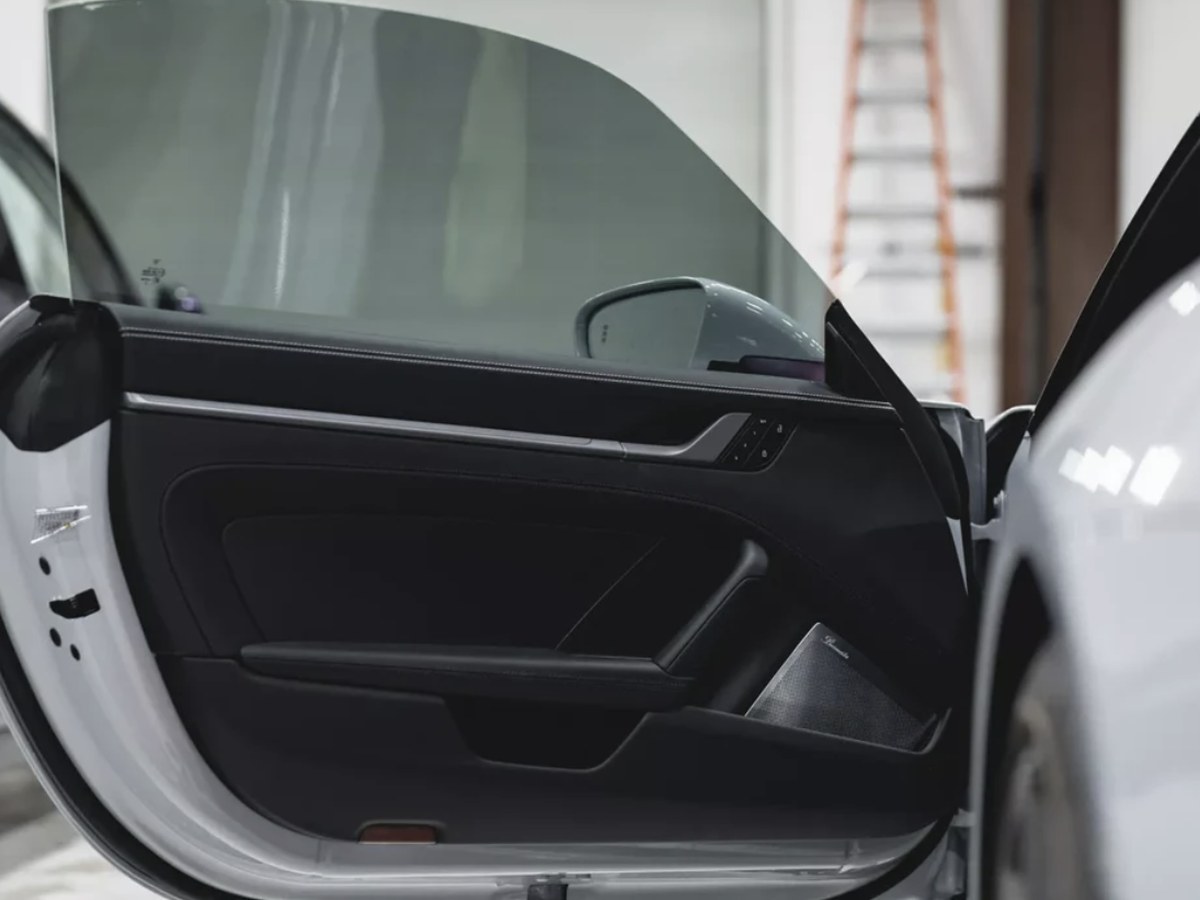
Carbon01
Prime CS
Color-stable carbon film with a deep black look. Cuts glare, with no signal interference. The entry point into XPEL tint.
- UV blocked
- 99%
- Heat (IR) rejected
- 35%
XPEL window film cuts heat and glare, blocks UV and gives your glass a clean, factory-finish look — in carbon or nano-ceramic.
Three XPEL films, one clear recommendation for every driver.
Color-stable carbon film with a deep black look. Cuts glare, with no signal interference. The entry point into XPEL tint.
Nano-ceramic film with serious heat control and a crisp, clear view. Most of the XR Plus performance at a lower price.
Our top nano-ceramic for hot climates, EVs and families. Clear even in light shades. Skin Cancer Foundation recommended.
Every spec for all three XPEL films, side by side.
| Feature | CarbonPrime CS | Nano-ceramicXR Black | Nano-ceramicXR Plus |
|---|---|---|---|
| Technology | Color-stable dyed film | Multi-layer nano-ceramic particle | Multi-layer nano-ceramic particle |
| IR rejection (1025 nm) | Up to 35% | Up to 85% | Up to 96% |
| UV rejection | 99% | 99% | 99% |
| Glare reduction | Up to 95% | Up to 95% | Up to 95% |
| Signal interference (cell, GPS, radio) | None | None | None |
| Recommended by The Skin Cancer Foundation | — | — | Yes |
| Warranty | Lifetime, transferable | Lifetime, transferable | Lifetime, transferable |
| Price, all side windows + Rear Window | From $250 | From $350 | From $450 |
Choose a VLT, the share of visible light the film lets through, and see how it looks on a car.
35% VLTClassic. A rich look with good privacy.
Heat and UV rejection are the same at every shade. Darkness only changes the look and privacy.
Illustrative preview. In California, front side windows must stay at 70% or lighter; darker film is for rear windows.
XPEL window film blocks over 99% of harmful UVA and UVB rays, and its infrared heat rejection is the same whether you choose 5% or 70%. Darkness only changes the look and the privacy, not how cool the car stays.
XR Plus is recommended by The Skin Cancer Foundation. UV can pass through side glass, and the driver’s side of the body is especially exposed. Window film is a significant barrier against it.
UV is only about 3 – 5% of solar energy. Infrared is what you feel as heat. XR Plus rejects up to 96% of IR; XR Black up to 85%. In XPEL’s test of two identical Mazda MX-5s in the Texas sun, the car with XR Plus ran up to 15°F cooler.
Up to 95% glare reduction. Low morning and evening sun and bright desert light can blind a driver for a moment. Film works like a set of sunglasses on every window, which matters most on east and west commutes.
Dark rear windows on SUVs and sedans are dyed glass for looks. They give little to no heat or UV rejection. Without film, a vehicle acts like a rolling greenhouse.
Prime CS, XR Black and XR Plus contain no metal, so cell, GPS, radio, key fobs and toll tags keep working normally.
XPEL automotive window film is guaranteed not to bubble, peel, crack, fade or discolor. The warranty transfers with the vehicle and is honored by every certified XPEL installer.
Rejecting infrared heat lets the A/C cool the cabin faster and work less to hold temperature. On an electric vehicle that means less drain on the battery.
VLT is the percentage of visible light the film lets through; a lower number is darker. XPEL notes that 35% is a popular balance of glare reduction and privacy. California requires the front side windows to stay 70% or lighter; darker film is for rear windows. We will recommend legal shades for your car.
Optically clear film for the windshield and sunroof adds heat and UV protection where the sun hits hardest. Sunroof film is available in any shade, from clear to dark.
We install on Model Y, Model 3, Model S, Model X and Cybertruck. Any shade is the same price, and the shade is chosen at install. Installs do not void your Tesla warranty. Autograff is listed in the Tesla app, and a Tesla tint takes 2 to 3 hours. See our Tesla Window Tint Page.
XPEL films are sold only through a network of trained, certified dealers. Autograff is an XPEL Authorized Dealer, so the film is genuine and the warranty is real.
XR Plus is the top performer with up to 96% infrared rejection; XR Black is the best balance of performance and price with up to 85%; Prime CS is a color-stable dyed film with 99% UV protection at the entry price. We will help you choose after seeing your car and your goals.
Prime CS is a color-stable dyed film. XR Black and XR Plus are both nano-ceramic films, and XR Plus is the one recommended by The Skin Cancer Foundation. IR rejection is up to 35%, 85% and 96%, and IR energy rejection up to 32%, 64% and 70%. All three block 99% of UV and reduce glare by up to 95%.
No. XPEL says UV and infrared rejection stay the same at every shade of XR. Darkness changes the look, the privacy and the glare reduction. Ceramic technology is what rejects heat. XR Plus 70 looks nearly clear and still rejects up to 92% of infrared at 1025 nm.
No. Prime CS, XR Black and XR Plus are non-metallic and cause no interference with cell, GPS, radio or key fobs.
Yes. XPEL automotive window film carries a lifetime, transferable warranty against bubbling, peeling, cracking, fading and discoloration. Ask us for the full terms.
California requires the front side windows to let in at least 70% of light, so front windows must stay at 70% or lighter. Darker film is allowed on the rear windows. The windshield may only have film on a limited strip at the top (or clear film that meets the rules). We recommend legal shades for your vehicle.
VLT stands for visible light transmission: the percentage of visible light that passes through the film and glass. 5% is very dark, 70% is nearly clear. A 35% VLT is a common balance of glare reduction and privacy.
Yes. XPEL window film rejects over 99% of UVA and UVB rays, at every shade. XR Plus is also recommended by The Skin Cancer Foundation.
In an XPEL test of two identical Mazda MX-5s parked in the Texas sun for over two hours, the car with XR Plus was consistently up to 15°F cooler. Results depend on the vehicle, shade and climate.
Most cars take 2 to 3 hours, Teslas included. You can wait at the studio or drop off and pick up the same day.
Yes. XPEL installation does not affect your Tesla warranty. Tesla also covers film reinstallation if glass is replaced under the basic vehicle warranty, for film purchased through Tesla.
Wait until the film has cured. We give you exact aftercare instructions at pickup, including how long to keep the windows up.
Yes. XR Plus 70 and XR Black 70 are almost clear, and Prime CS 88 is nearly clear with full UV protection. They are popular for windshields, front windows and sunroofs.
Yes. Optically clear XPEL film on the windshield and sunroof cuts heat and UV where the sun is strongest. Ask us which shade is legal and best for your vehicle.
Wait for the cure period, then clean with a soft microfiber cloth and an ammonia-free glass cleaner. Avoid abrasive pads and scrapers on the inside of the glass.
Every install happens in our North Hollywood studio. Wait in the lounge during a tint, or drop the car off and we’ll call you when it’s ready.
No mobile installs — all work is done in-shop for a clean, dust-free finish.
Tell us the car and the service. We’ll reply with an honest quote.