
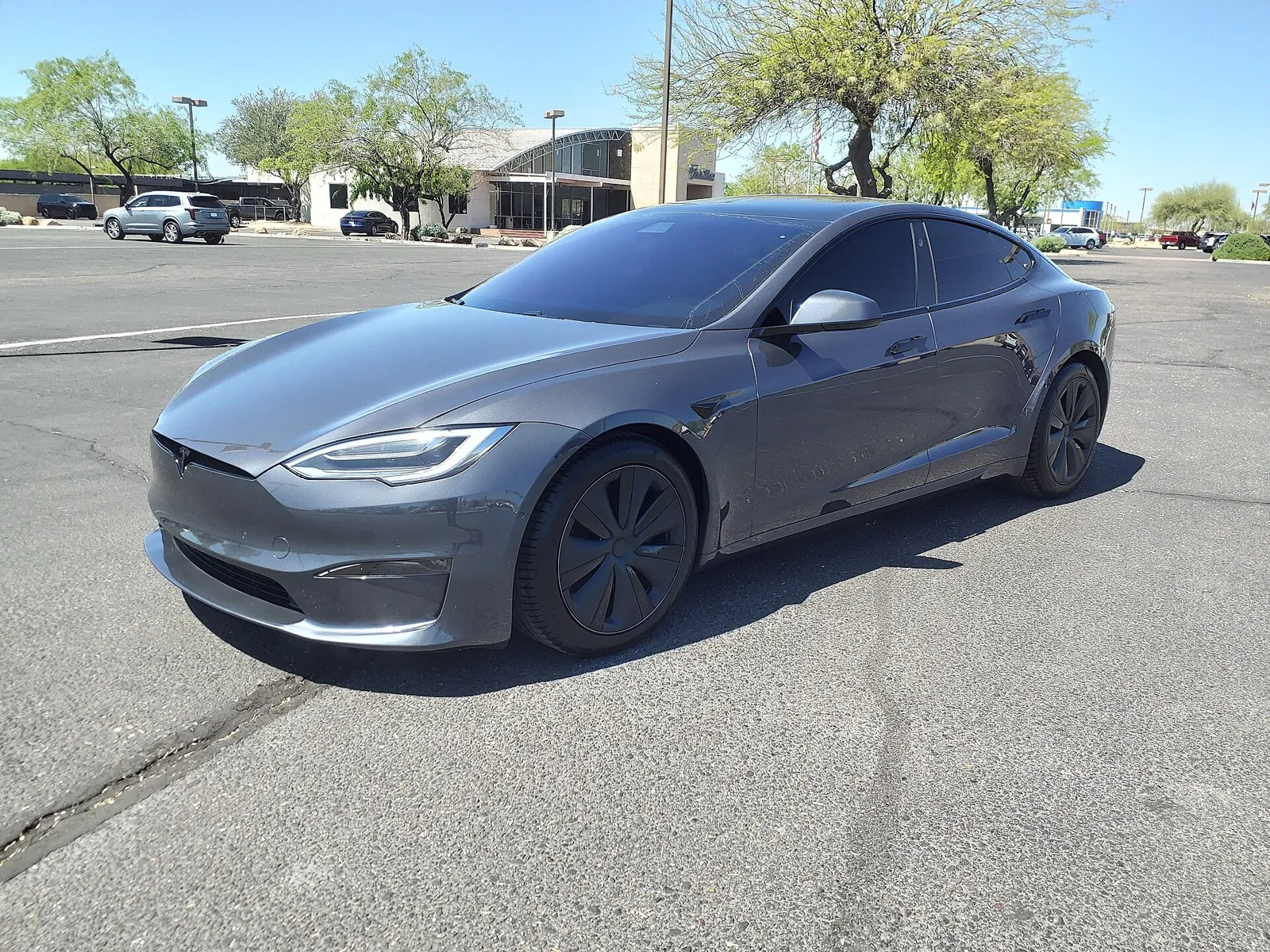
The Short Answer
No. Window tint does not affect Tesla cameras, Autopilot or the phone key when the film is metal-free. Our XPEL XR Black and XR Plus are nano-ceramic films with no metal in them, so Bluetooth, key card, GPS, cell and radio signals pass through the glass the way they did before.
The more useful question is where Tesla puts its cameras and sensors, because most of them are not behind the glass we tint at all.
Where the Cameras Actually Sit
A Tesla sees the road through cameras mounted on the body and at the top of the windshield. Side windows and the Rear Window are not part of that system.
- Forward cameras. They sit in a housing behind the windshield, near the rearview mirror. This is the only camera area that is behind glass you might tint.
- Side repeater cameras. They are mounted on the front fenders, outside the car.
- Pillar cameras. They are mounted on the body pillars, outside the car.
- Rear camera. It sits on the rear of the car near the license plate, not behind the Rear Window.
On the Model 3 and Model Y there is also a cabin camera above the mirror, which faces into the car. Tinting the side windows and Rear Window does not cover any of these.
Phone Key, Key Card and GPS
Older tint used metal particles to cut heat. Metal blocks or weakens radio signals, which is why some owners remember dead GPS or a flaky toll tag behind cheap film. Nano-ceramic film gets its heat rejection from ceramic particles instead, so the signal path stays clear.
In daily use that means:
- The phone key unlocks and locks the car normally.
- The key card works as before.
- GPS, cell signal and radio keep their usual strength.
- Toll tags and key fobs on other cars work the same way.
Our Tesla window tint guide covers the same point in the context of choosing a film.
The Windshield Is the One to Plan
If you tint the windshield, the camera housing and the area around the mirror are the part worth discussing before you book. Cameras and a rain and light sensor work through that glass, and you want an installer who knows the layout of your model.
Not every Tesla owner needs a windshield film. Many start with the side windows and Rear Window, then add the windshield later. Our post on how much heat windshield film blocks explains what it does for the cabin, and the California tint law page covers what is allowed on the front glass.
What Tint Does Change
Film makes the glass darker, and that affects how you see out, not how the car sees. A few honest points:
- The cabin camera is not affected by side window film, because it looks into the car.
- Very dark film on the Rear Window reduces what you see in the mirror at night, so choose a shade you are comfortable with.
- The screen and the camera views on the display look the same as before.
Film also does not hide glass damage, so report any chip or crack to Tesla before the tint goes on. Our post on tinting a new Tesla after delivery has the full checklist.
Prices for the Common Setups
Every shade within a film costs the same, so you pick a look without paying extra for it. Prices are before sales tax and include the XPEL lifetime warranty.
| Coverage | XR Black | XR Plus |
|---|---|---|
| All side windows + Rear Window, Model Y | $560 | $700 |
| All side windows + Rear Window, Model 3 | $680 | $850 |
| Windshield, Model 3 or Model Y | $299 | $399 |
Details for each car are on the Model Y tint page and the Model 3 tint page, and the full list, including Model S, Model X and the Cybertruck, is on our Tesla window tint page.
The Appointment
A full Tesla tint takes about 2 to 3 hours in our North Hollywood studio. If something about your car or its sensors worries you, bring it up when you book or when you drop the car off, and we will go through it with you. The studio is open 9 AM to 5 PM, Monday through Saturday.
The Bottom Line
Metal-free nano-ceramic film leaves Tesla signals and cameras alone. The cameras are on the body or at the top of the windshield, so side and rear film does not touch them, and the windshield is the one glass to plan with your installer.