
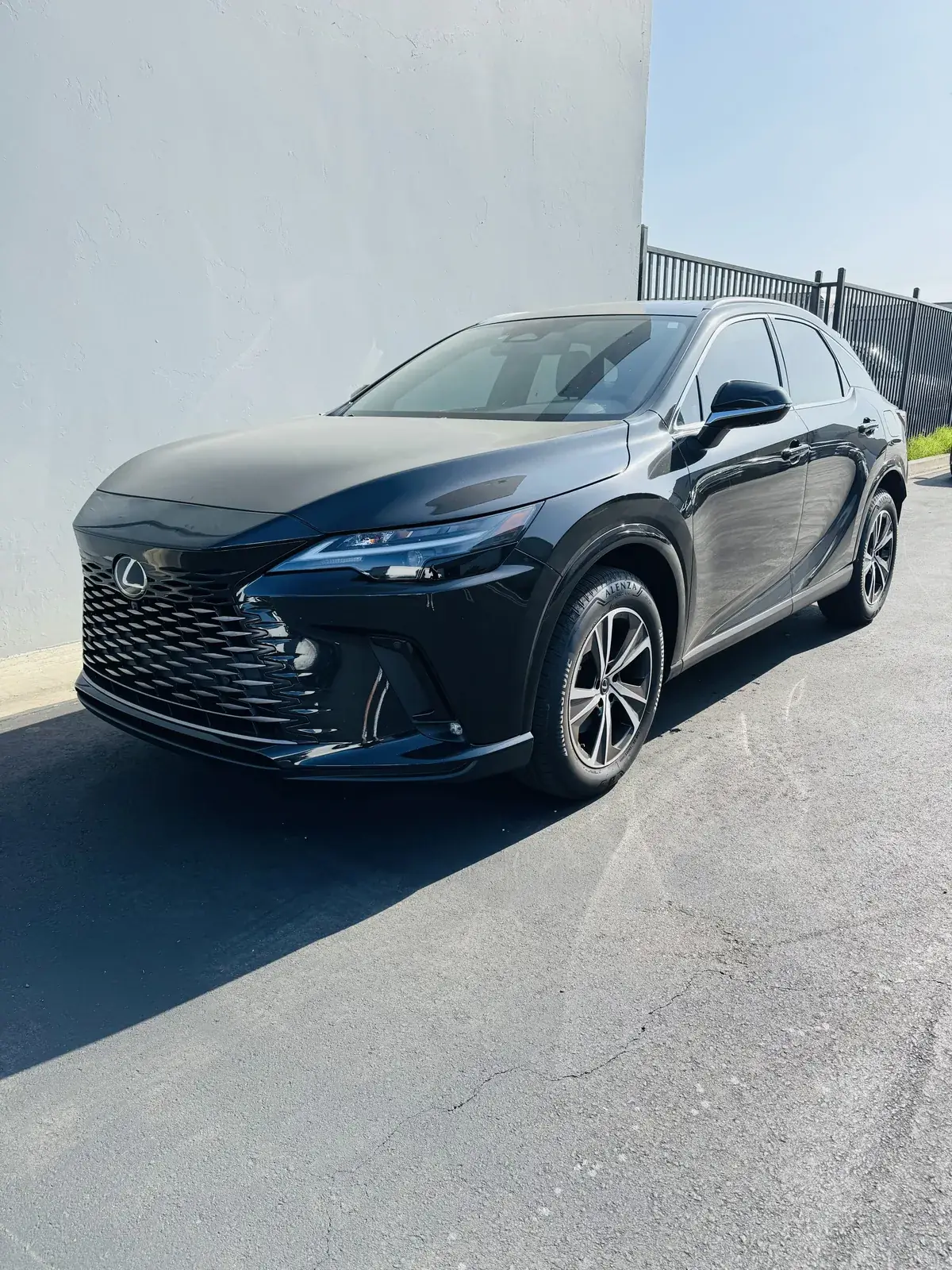
The Short Answer
A Toyota or Lexus hybrid does not need a special film. The tint choice is the same as for any other car: Prime CS carbon, XR Black or XR Plus nano-ceramic. What changes is how much you care about heat. Hybrids are often bought for efficiency and comfort, and a hot cabin is the first thing you notice in the San Fernando Valley from June through October.
If heat is the reason you are tinting, nano-ceramic is the better fit. XR Black rejects up to 85% of infrared heat and XR Plus up to 96%. Prime CS rejects up to 35% and is a good choice when privacy and UV protection matter more than heat.
What Tint Costs on a Toyota or Lexus
Toyota and Lexus models are priced on our regular car list, not the Tesla list. Every shade costs the same, and the lifetime XPEL warranty is included. Prices are before sales tax.
| Coverage | CarbonPrime CS | Nano-ceramicXR Black | Nano-ceramicXR Plus |
|---|---|---|---|
| All side windows + Rear Window | $250 | $350 | $450 |
| Front side windows only | $100 | $140 | $200 |
| Windshield | N/A | $180 | $250 |
| Moonroof | $50 | $90 | $150 |
| Panoramic sunroof | $100 | $180 | $250 |
Prime CS is not used on the windshield. If you choose Prime CS for the side windows and want the windshield done too, the windshield goes in XR Black. Small quarter windows go with the door next to them at no extra charge. You can see the full list on our prices page.
Which Film for Which Driver
The decision is mostly about how you use the car, not the badge on the hood.
- Commuters on the 101, 170 and 405. Long stretches in direct sun. XR Black is the usual choice: strong heat rejection at a price that stays under $400 for the whole car minus the windshield.
- Families with kids in the back. Rear seats take the most sun. Rear side windows and the Rear Window can be any shade in California, so many families go darker in the back for privacy and shade.
- Owners who park outside all day. The windshield is where most of the heat comes in. XR Plus on the windshield and sides gives the highest infrared rejection we offer.
- Budget-first buyers. Prime CS on the sides and Rear Window is $250 and still blocks UV and cuts glare.
The Windshield and the Sunroof
Many Toyota and Lexus trims have a moonroof or a panoramic sunroof, and the glass roof lets in a lot of heat. A roof film is a small add-on compared with the benefit: $90 to $250 depending on the film and the size of the opening. For the windshield, our windshield film guide explains how much heat a clear-looking film actually blocks.
Front side windows in California must let in at least 70% of light, and the windshield has its own rules. We show you the legal shade for every window when you book. For the details, see California window tint laws.
What About Fuel Economy?
A cooler cabin means the air conditioning has less work to do, which is the reasoning behind tinting a hybrid. We do not promise a specific mpg gain, because it depends on the car, the driving and the weather. What you can count on is a cabin that is noticeably less hot when you get in, and a faster cool-down. Our post on window tint and EV range covers the same idea for electric cars.
Install Time and What to Expect
All side windows and the Rear Window take about 1 hour. A full car with the windshield or roof takes about 2 hours. You can wait in our lounge with a TV or drop the car off and we call you when it is ready. All installs are done in our North Hollywood studio, in a clean bay, with computer-cut patterns.
If the car already has old film that is bubbling or purple, removal is added to the quote. It is $25 per door window and $80 for the windshield or Rear Window, and it is only added together with new tint.
How to Book
Choose your car and a time on our online booking page, or read about our full range of films on the car window tint page. A $20 deposit comes off the final price.